Introduction
As part of ongoing efforts to strengthen the Dual Vocational Education and Training (Dual VET) system in Kosovo, the BiBeKu project supported the development of a structured examination and certification system.
This system is aligned with educational standards and labour market requirements.
Development of the examination framework
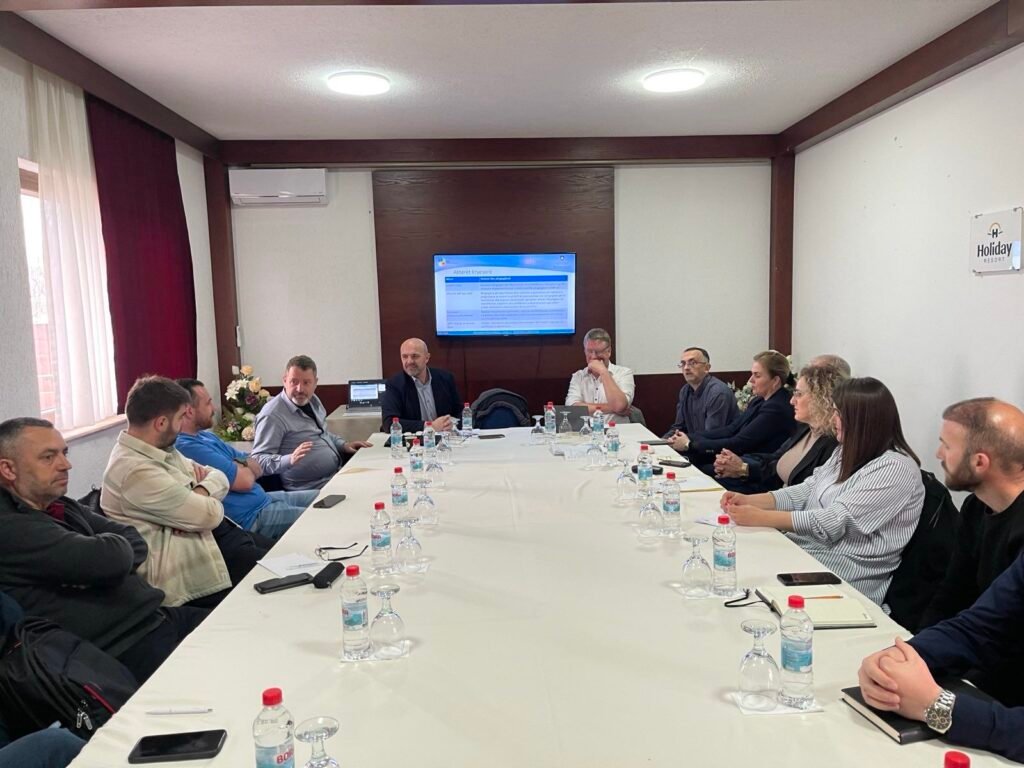
Working in close cooperation with the core working group, the project team developed the conceptual framework for final examinations within the Dual VET system.
Existing criteria and procedures were reviewed to ensure:
- Coherence
- Practicality
- Alignment with national standards and industry needs
The refined concepts were later presented to vocational school directors for validation and feedback.
Pilot final examinations
A key milestone was the preparation and implementation of pilot final examinations in May–June 2025.
These were conducted across:
- Four occupational profiles
- Four public vocational schools
- Involving 88 students
The pilot phase provided an opportunity to:
- Test examination procedures in practice
- Identify gaps and operational challenges
- Refine the model before wider implementation
Development of implementation guidelines
In cooperation with ISTE, the project team developed a comprehensive guideline for implementing Dual VET final examinations.
The guideline covers:
- Establishment of examination boards
- Planning and organisation of exams
- Implementation of assessment procedures
- Formal awarding of certificates
Supporting tools include:
- Examiner appointment forms
- Examination timetables
- Evaluation forms
- Certification templates
- Administrative checklists
Training of examiners
The examination system is based on a standardized commission model.
Each commission includes:
- Two members from the private sector
- One Professional Practice Teacher (PPT) acting as secretary
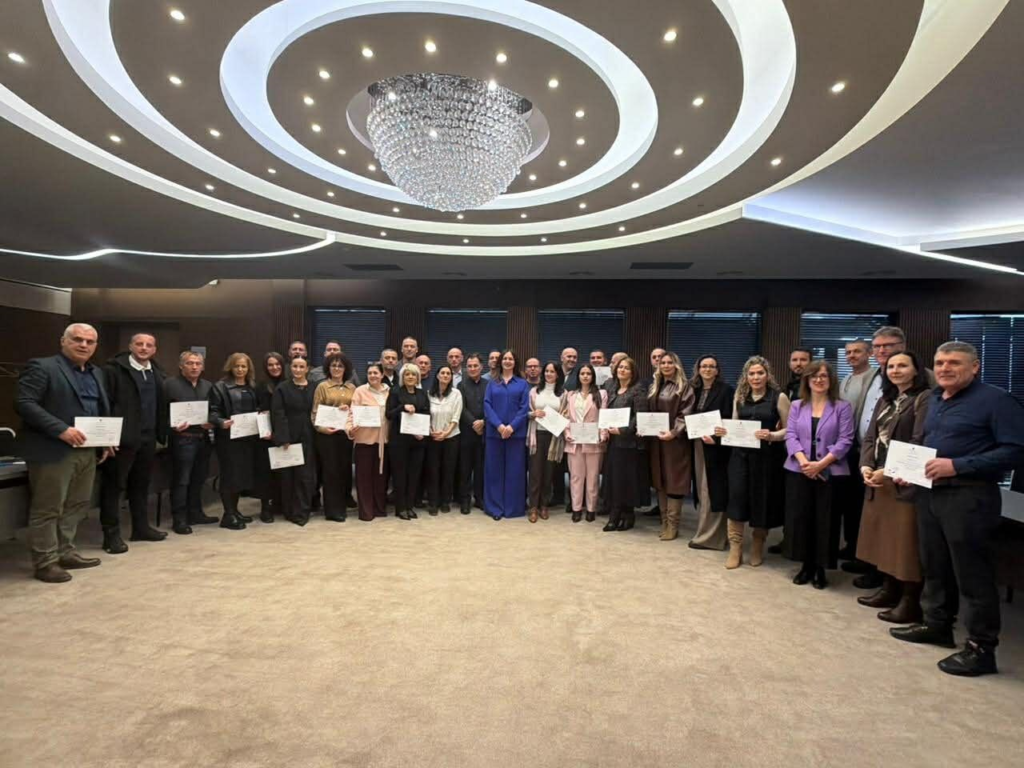
All members are trained and certified to ensure:
- Fairness
- Consistency
- Professional standards
Conclusion
The development of a standardized examination and certification system represents a key step in strengthening the sustainability of Dual VET in Kosovo.
It provides a strong foundation for future expansion and ensures that vocational education responds effectively to labour market needs.